New Holland CR9060 Combine Shipping from the USA to Peru Shipped USA → Peru
International transport of a New Holland CR9060 twin-rotor combine from California to Peru, including US pickup, equipment cleaning and preparation, export documentation, ocean freight to Callao, destination inspection coordination, and inland delivery.
Equipment
New Holland CR9060 Twin Rotor Combine Harvester
Cargo Type
Agricultural Equipment
Total Timeline
34 days, pickup in California through delivery in Peru
Method
Ocean Freight
Worldwide Shipping
Americas · Europe · Asia Pacific · Africa
100,000+
Shipments Worldwide
20+ Years
In Heavy Cargo Logistics
4.9 Rating
on Google · 50+ reviews
Licensed Freight Forwarding Company
Home
Projects
New Holland CR9060 Combine Shipping from the USA to Peru Shipped from USA to Peru
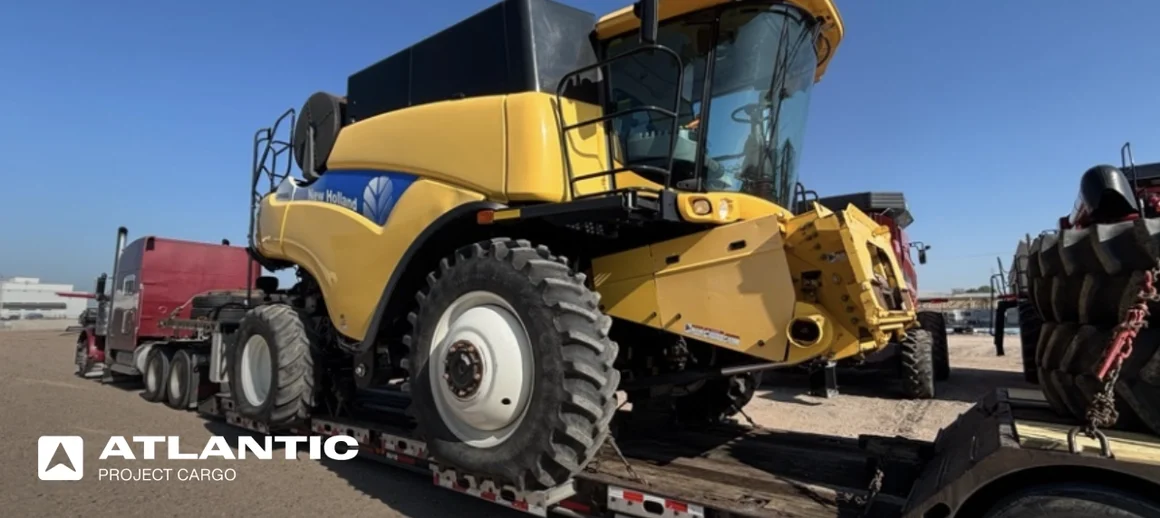
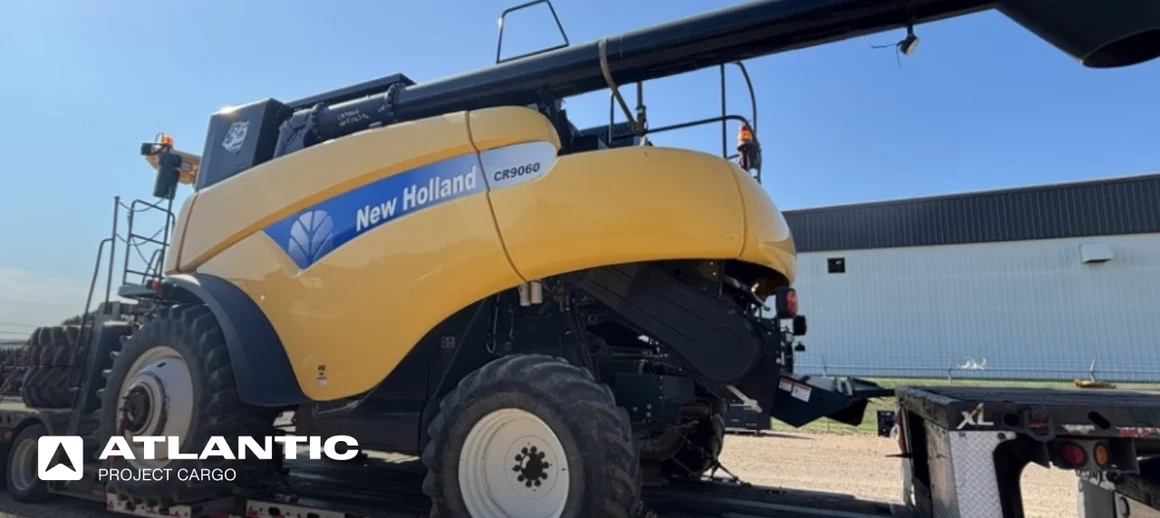
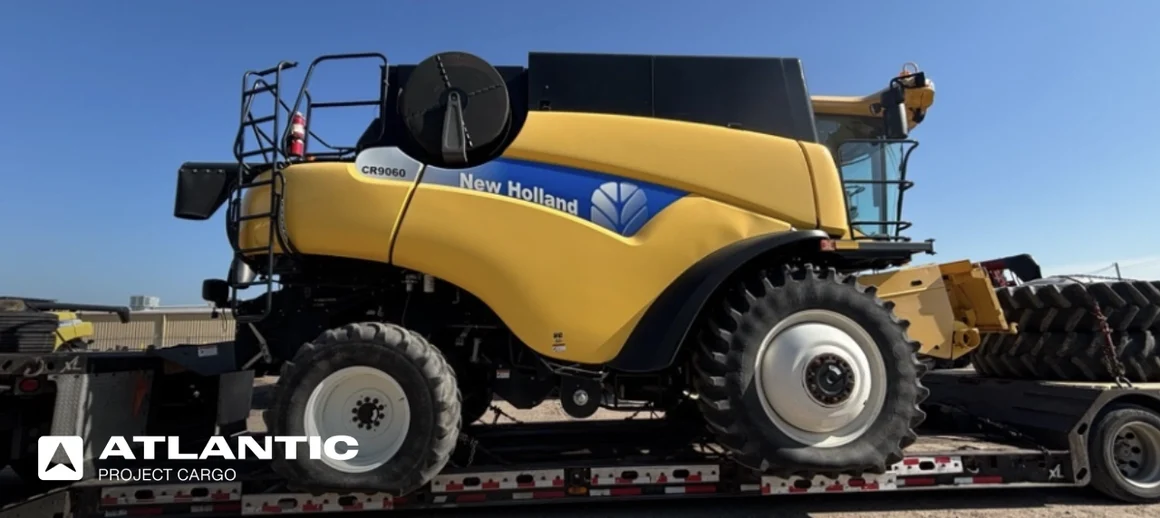
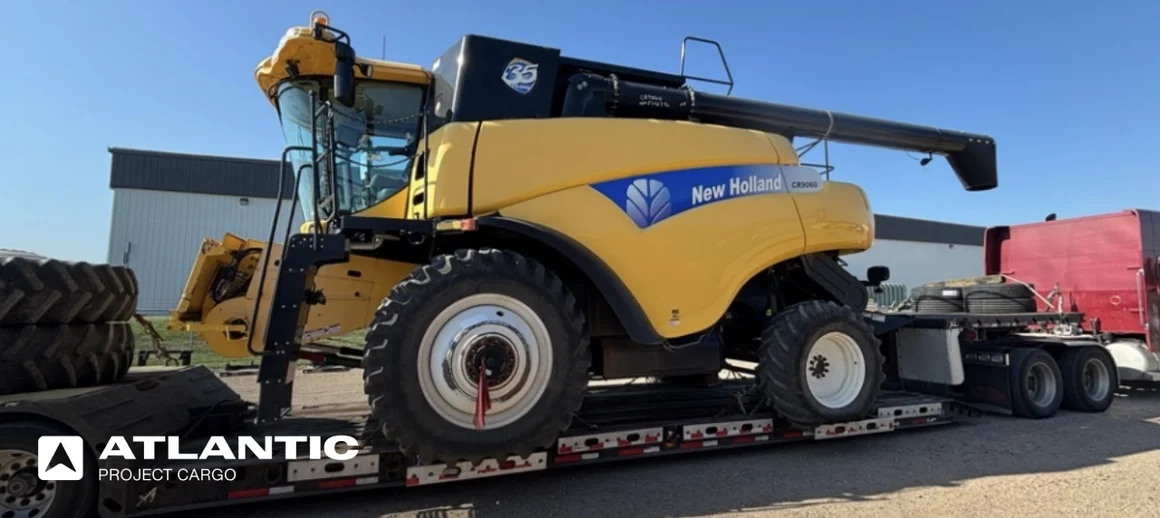
The New Holland CR9060 was purchased through JumboBee by an agricultural operation on Peru’s north coast, with Atlantic Project Cargo coordinating the international transport from California to the buyer’s destination. The machine was located in the Sacramento / Central Valley area and needed to reach a grain-producing operation near Chiclayo, in the Lambayeque region of Peru.
The CR9060 uses New Holland’s Twin Rotor threshing and separating system, with two longitudinal rotors running the length of the machine. That design leaves more enclosed space for soil, seed, and crop residue to collect than many cargo owners expect, so preparation and destination requirements were a central part of the shipping plan. Before the CR9060 could be booked on an ocean carrier, it had to be picked up, cleaned to a standard suitable for international agricultural equipment, documented for export, and prepared to meet Peru’s requirements for used farm machinery on arrival.
This project outlines how that process was planned and carried out, from the California pickup through delivery to the buyer’s operation.
Shipping Overview
EquipmentNew Holland CR9060 Twin Rotor Combine Harvester
OriginSacramento / Central Valley, California, USA
DestinationChiclayo, Lambayeque region, Peru
Shipping MethodOcean Freight
Cargo TypeAgricultural Equipment
Total Timeline34 days, pickup in California through delivery in Peru
Key Takeaways
Used Combine Preparation A combine that has finished a harvest season carries far more than dust. The rotors, cleaning shoe, header, and undercarriage can hold soil, seed, and plant material long after the machine leaves the field, so preparing a used combine for export takes more cleaning and inspection time than most cargo of a similar size.
Hard-to-Reach Cleaning Areas On the CR9060, the areas that needed the closest attention were the feeder house, the twin rotors and their rotor cages and concaves, the cleaning shoe, the grain tank and unloading auger, and the undercarriage. These are the places where crop residue and soil collect and are least visible during a routine walk-around.
Destination Requirements Peru requires shipment-specific agricultural and biosecurity documentation for used farm machinery, along with an inspection step at the port of arrival. Those requirements were factored into the preparation and paperwork plan before the combine left California.
Ocean Freight to Callao Given the CR9060’s size and weight, the combine body was moved by breakbulk ocean freight on a flat-rack, with the header shipped separately. This kept the equipment within standard handling limits at both the origin and destination terminals.
Arrival Inspection On arrival at Callao, the combine was presented for the applicable SENASA inspection procedure as part of the release process, alongside the customs documentation coordinated in advance with the importer’s broker.
Final Inland Delivery Once released at Callao, the CR9060 was transported inland to the buyer’s agricultural operation near Chiclayo, completing the delivery scope agreed for this project.
Four Risks, Four Fixes
Oversized Inland Transport
The CR9060’s dimensions and weight affected which trailer could be used, how the pickup route was planned, and whether oversize permits were required for the move from Woodland to the Port of Oakland.
Route and Transport Planning
APC reviewed the combine’s transport dimensions and weight, coordinated a trailer configuration suited to the load, and planned the inland route from the pickup location to the export facility, including the permits required for the move.
Soil and Crop Residue Inside the Combine
Used twin-rotor combines can retain soil, seeds, straw, chaff, and other plant material inside components that are difficult to inspect or clean, including the feeder house, the rotor cages and concaves, the cleaning shoe, the grain tank, and the undercarriage.
Detailed Internal and External Cleaning
The combine underwent a structured cleaning pass covering the feeder house, both rotors and their cages, the cleaning shoe and sieves, the grain tank and unloading auger, the residue chopper, and the undercarriage. Pressure washing and compressed air were used to reach recessed areas, followed by a visual check before the machine was released for loading.
Incomplete Destination Documentation
Agricultural equipment imports into Peru require destination-specific documentation and an inspection arrangement at the port of arrival. Missing or inconsistent paperwork can delay release once the equipment lands.
Pre-Export Documentation Coordination
APC coordinated the shipment documentation required for this import with the buyer’s customs broker before the combine departed the United States, so the paperwork the equipment traveled with matched what would be needed at Callao.
Destination Inspection and Release Delay
Used agricultural machinery is inspected on arrival in Peru to confirm its condition and documentation, and a mismatch between the equipment and its paperwork can hold up release at the port.
Pre-Shipment Preparation and Arrival Coordination
Cleaning was completed and verified before export, documentation was prepared and shared with the buyer’s broker in advance, and the destination inspection step was planned into the schedule rather than treated as an afterthought once the vessel arrived.
How the timeline played out
From booking to delivery — the full 30–35 day journey, phase by phase.
JumboBee Sale Confirmed
New Holland CR9060 purchased by the Peruvian buyer.
Day 1
Pickup Planning
Dimensions, route, transport requirements, and export plan reviewed.
2 days
Inland Transport
Combine collected in Woodland, California, and transported to the export facility near Oakland.
1 day
Equipment Cleaning & Preparation
Soil, crop residue, and other material removed from the feeder house, twin rotors, cleaning shoe, grain tank, and undercarriage.
3 days
Documentation Coordination
Export and Peru-side shipment documents prepared and shared with the buyer’s broker.
3 days, run in parallel with preparation
Ocean Freight
Combine shipped from Oakland to Callao.
19 days transit
SENASA / Destination Procedures
Equipment presented for the applicable inspection and release procedures at Callao.
3 days
Final Delivery
Combine transported onward to the buyer’s operation near Chiclayo.
2 days
How Each Phase Was Handled
Pickup, Inland Transport, and Equipment Preparation
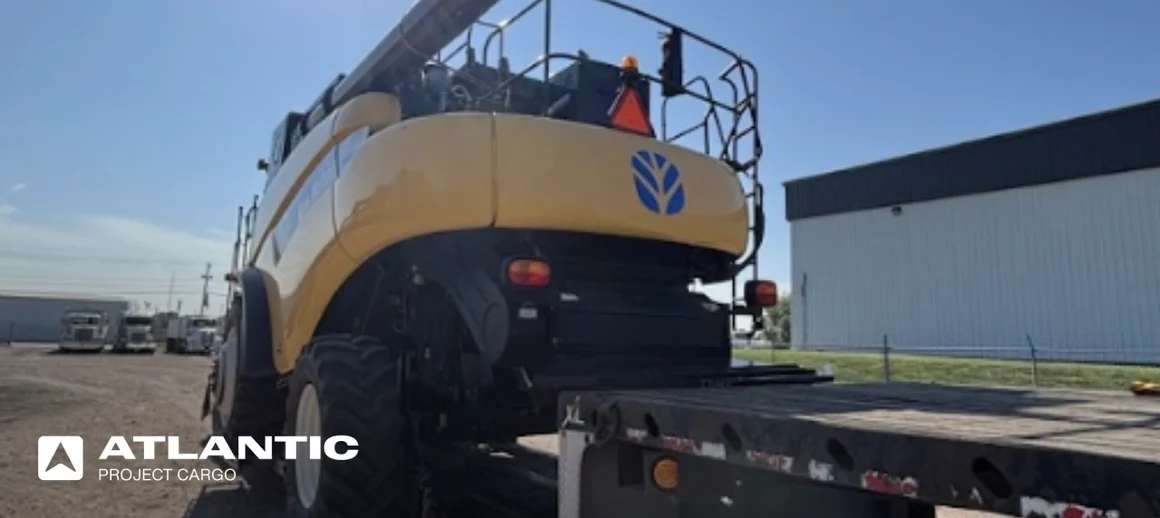
The CR9060 was collected from the seller’s property in Woodland, California, in running condition. Given its transport width, the header was removed and crated separately ahead of pickup, and the unloading auger was folded and secured for transport. These steps were coordinated with the seller and a local rigging contractor rather than performed by APC directly. The combine body was loaded onto a lowboy trailer sized for its weight and moved along a route planned in advance to the export facility near the Port of Oakland, with the applicable oversize permit secured for the move. APC managed the pickup scheduling, trailer coordination, and route planning; the physical rigging work was carried out by the contracted equipment handler.
1. Pickup Coordination 2. Oversized Transport 3. Export Preparation
Cleaning and Pre-Export Documentation
Twin-rotor combines that have completed a harvest season accumulate soil, seed, and crop residue in places a general inspection won’t catch. On the CR9060 that meant the feeder house, the space around both rotors and their concaves, the cleaning shoe and sieves, the grain tank and unloading auger, the residue chopper, and the undercarriage. At the export facility, the CR9060 was pressure washed on the exterior, with compressed air used to clear residue from the rotor area, cleaning system, and undercarriage. A visual check followed to confirm the machine was free of visible soil and plant material before crating. In parallel, APC coordinated the import documentation this shipment required with the buyer’s Peru-based customs broker, so the paperwork accompanying the combine matched what would be presented to SENASA and customs on arrival. Peru’s plant health authority, SENASA, requires used agricultural machinery to be free of soil and plant material on arrival and inspects incoming equipment to confirm this; APC’s role in this shipment was coordinating cleaning and documentation ahead of that inspection, not issuing or certifying phytosanitary status.
Ocean Freight, Callao Arrival, and Inland Delivery
The combine body was exported from the Port of Oakland as breakbulk cargo on a flat-rack, with the header shipped separately due to its width. Export documentation, including the commercial invoice, packing list, and bill of lading, was completed ahead of the vessel’s cutoff. After ocean transit to Callao, the combine was presented for the applicable SENASA arrival procedure, and the buyer’s customs broker managed clearance with Peruvian customs. Once released, the equipment was transported inland to the buyer’s operation near Chiclayo. APC coordinated the ocean booking, export documentation, and inland delivery; the arrival inspection was carried out by SENASA, and customs clearance was handled by the buyer’s broker.
Atlantic Project Cargo coordinates international transport for combines, tractors, harvesters, and other agricultural machinery, including US pickup, equipment preparation, ocean freight, documentation support, and destination delivery planning. APC coordinates agricultural equipment pickup from dealers, au
01Equipment purchaseNew Holland CR9060 purchased through JumboBee.Day 1
02Shipment planningDimensions, weight, route, destination requirements, and shipping method reviewed.2 days
03PickupCombine collected in Woodland, California.1 day
04Inland transportEquipment transported to the export facility near the Port of Oakland.1 day
05CleaningInternal and external crop residue and soil removed from the feeder house, twin rotors, cleaning shoe, grain tank, and undercarriage.3 days
06Pre-export verificationCleaning and shipment information checked before crating.1 day
07DocumentationUS export and Peru-side shipment documentation coordinated with the buyer’s broker.3 days (parallel with cleaning)
08Export loadingCombine body and separately crated header prepared and loaded for ocean transport.1 day
09US exportCargo delivered to the port and released for sailing.Same day, ahead of vessel cutoff
010Ocean freightEquipment shipped from Oakland to Callao.19 days transit
011Destination inspectionApplicable SENASA arrival procedure completed.2 days
012Inland deliveryCombine transported from Callao to the buyer’s operation near Chiclayo.2 days
Total timelineWoodland, California pickup through final delivery in Peru34 days
Result
The New Holland CR9060 was collected in Woodland, California, cleaned and prepared for export, and shipped by breakbulk ocean freight to Callao. On arrival, the combine was presented for the applicable SENASA inspection and released without a request for additional cleaning or treatment. Following release, the equipment was transported inland and delivered to the buyer’s operation near Chiclayo.
No Additional Cleaning Requested
Passed the applicable arrival inspection without a request for further treatment
Released in 2 Days
Cleared the destination inspection and customs process within two days of arrival at Callao
Delivered to the Farm
Transported inland and handed over to the buyer’s agricultural operation near Chiclayo
34-Day Total Timeline
From pickup in Woodland, California, to delivery in Peru
All success stories
Case IH 8120 Combine Shipping from the USA to Egypt
Time:38 days, pickup in Georgia to final delivery in Ismailia
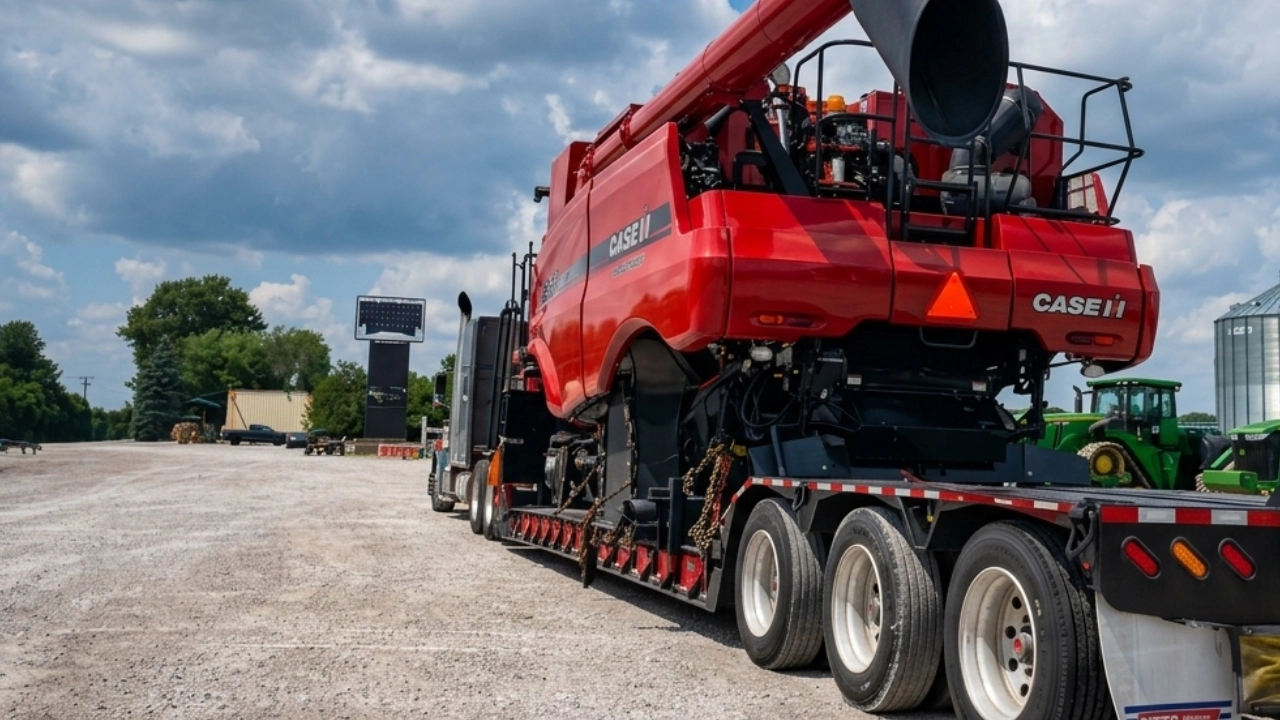
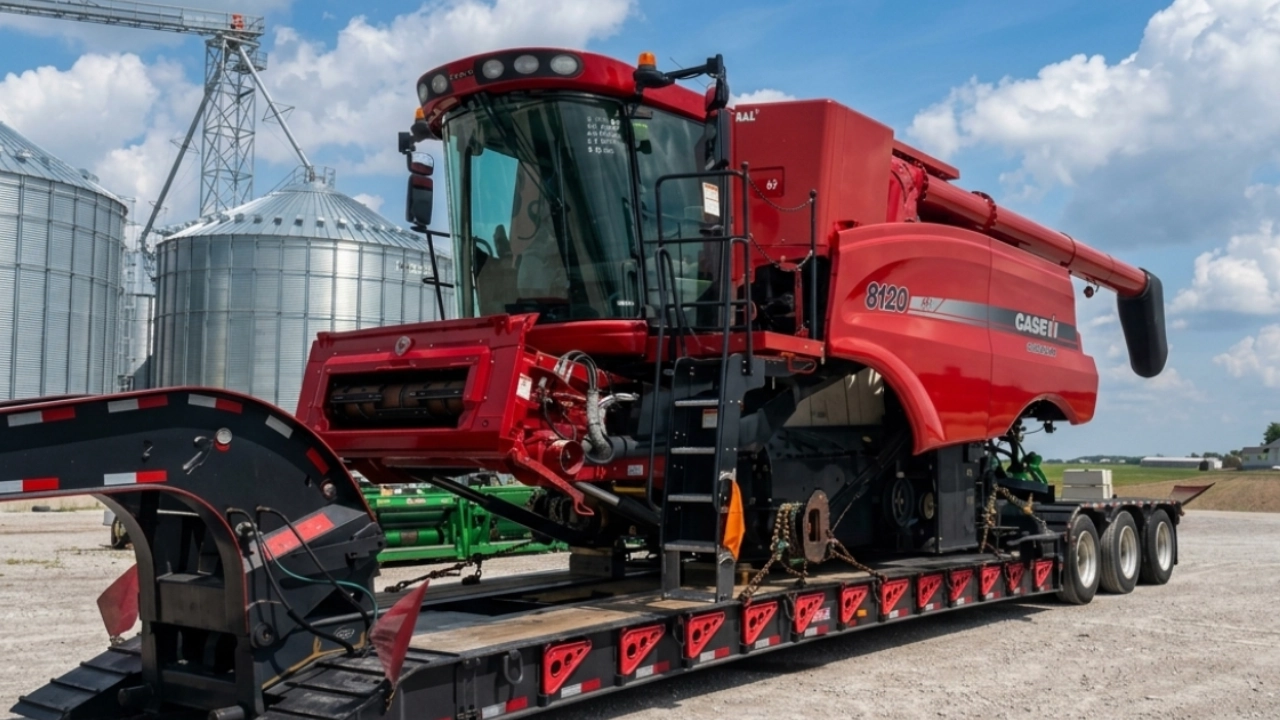
This case follows the export of a used 2012 Case IH 8120 Axial-Flow combine from Albany, Georgia, sourced through JumboBee for a buyer in Ismailia Governorate, Egypt. Atlantic Project Cargo coordinated the shipment from pickup in Georgia through delivery in Egypt. The Case IH 8120 is a Class 7 single-rotor grain combine, and its weight, […]
Jaguar XJ220 Air Freight from New York to Singapore
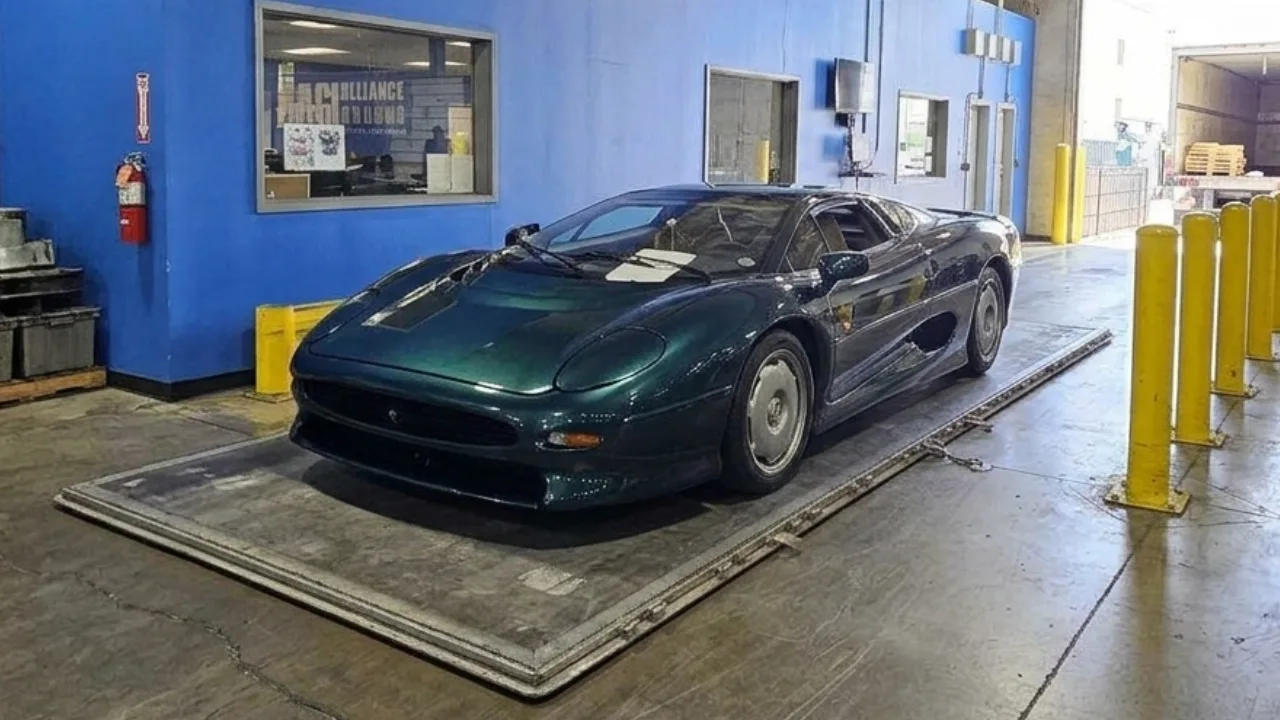
This case follows the air freight of a Jaguar XJ220 from New York to Singapore, departing from John F. Kennedy International Airport. Air freight was chosen for a vehicle of this value and rarity because it shortens the door-to-door timeline and keeps the car out of the marine environment, though it comes with its own […]
John Deere X9 1100 Combine Shipping – USA to New Zealand
This John Deere X9 1100 combine was sold to an arable and cropping operation in Canterbury, New Zealand, with the machine located in Fargo, North Dakota. A combine of this size doesn’t travel in its field-ready configuration: the header had to come off and the unloading auger folded before the machine could move by road […]
What are You Searching for?
Atlantic Project Cargo uses cookies to enhance your website experience. By continuing to browse, you agree to our use of cookies. For more information, please visit our Privacy Policy.